
"parchment removal"
400 article(s) found
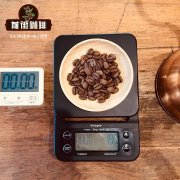
What is the coffee wet planing method? Manning coffee wet planing coffee treatment
Professional coffee knowledge exchange more coffee bean information please follow the coffee workshop (Wechat official account cafe_style) semi-washing (Semi washed method) semi-washing, also known as wet peeling or wet planing. Unlike other treatments, coffee beans are not directly dried to a moisture content of 1112%, but are removed when the moisture content is about 3035%.

Are parchment coffee beans wrapped in exocarp?
Parchment coffee beans refer to the beans wrapped in the exocarp? how to distinguish between washed coffee beans and sun-washed beans? the water content of coffee washed beans is higher, while the water content of sun-dried beans is relatively low. General coffee beans show different colors due to their different water content, with higher water content being green or cyan, and less brown or near white. So water-washed coffee

The difference between wet planing and wet treatment. Why do Mantenin coffee beans use wet planing?
Professional coffee knowledge exchange more coffee bean information Please pay attention to the coffee workshop (Wechat official account cafe_style) is the relationship between wet planing and wet treatment seeking common ground while reserving differences? In the traditional wet treatment, fresh coffee cherries remove their pulp (Pulped) and leave them in a concrete pool to ferment overnight for acidification and pectin decomposition. Next, with parchment

Brief introduction of coffee and bean washing process Colombian water washing rose summer hand flushing flavor sharing
Professional coffee knowledge exchange more coffee bean information please follow the coffee workshop (Wechat official account cafe_style) front street-Columbia washed coffee, washing process sharing 1, peeling with special equipment to remove the peel and part of the flesh of the coffee fruit. After treatment, some pulp and pectin remained on the parchment (parchment). 2. The fermentation will attach the surface.

Processing method of fresh coffee beans-- wet treatment
Two methods in the processing of fresh coffee beans: wet treatment & drying

Coffee bean washing processing method for coffee flavor clean, clear and charming fruit aroma
Professional coffee knowledge exchange more coffee bean information please follow the coffee workshop (Wechat official account cafe_style) front street-coffee washing treatment method introduction washing requires the use of special machinery and equipment and adequate water supply. When properly treated, the special characteristics of coffee beans can be more highlighted. In addition, the number of bad beans can also be removed in large quantities during the washing process, allowing coffee

What is the history of French coffee in the handling of coffee beans?
One step: retain 100% pectin, and then reduce the water content of raw beans to 10% 12% by either solarization or machine drying or a combination of both. Another step: according to different needs, adjust the setting of the pectin removal machine so that the parchment shell retains different proportions of pectin, and then reduce the water content of raw beans to 10% Mel 12% by either solarization or machine drying or a combination of both. Washing fermentation
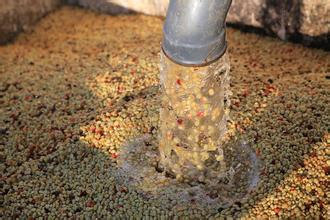
The treatment method of Coffee Bean-- the method of washing Coffee Bean
Dry treatment (secado), also known as natural all-day exposure (natural). After the coffee fruit is actually picked, it is dried directly in the sun. According to the weather conditions, it is generally necessary to dry the coffee beans for 2 weeks to reduce the water content of the coffee beans to 10%, 12%, and then use a machine to remove the dried peel and pulp. The raw bean processing plant (beneficio) usually retains the parchment shell on the outside of the coffee bean when the raw bean is stored.

Dry treatment (natural full sun treatment), wet treatment (water washing and fermentation), semi-washing of coffee beans
Dry treatment (secado), also known as natural all-day exposure (natural). After the coffee fruit is actually picked, it is dried directly in the sun. According to the weather conditions, it is generally necessary to dry the coffee beans for 2 weeks to reduce the water content of the coffee beans to 10%, 12%, and then use a machine to remove the dried peel and pulp. The raw bean processing plant (beneficio) usually retains the parchment paper shell (par) on the outside of the coffee bean when the raw bean is stored.

Processing of fresh coffee beans
Wet treatment requires the use of specific equipment and a large amount of water. When properly operated, it can ensure that the original quality of coffee beans is better preserved, producing homogeneous coffee beans with few bad beans. As a result, coffee beans produced in this way are generally considered to be of better quality and charge higher prices. Even after careful harvest, a certain amount of underdried and undercooked coffee
How is the coffee fruit turned into coffee beans? what is the parchment that wraps coffee beans?
Communication of professional baristas Please follow the coffee workshop (Wechat official account cafe_style) this is a kind of rich fragrant coffee, it is the seed of coffee tree fruit. The unique aroma and taste of coffee are made by a thermal reaction called roasting. This time we will introduce raw beans before the coffee is roasted. What are coffee beans? First of all, coffee beans are the seeds of coffee trees (Rubiaceae

Flavor and taste characteristics of Yunnan washed coffee beans? How did the honey treatment come from?
The coffee we drink comes from the seeds of coffee beans. The coffee processing process involves removing layers on the coffee fruit, such as mucus and parchment, until we get the seeds. Different types of processing involve the removal of fruit layers in different ways and at different times. Natural coffee is a completely dry coffee, that is to say, it is naturally dry. The outer layer, from the epidermis to parchment, dries later.

Two methods for processing fresh coffee beans: wet treatment and drying
Wet treatment requires the use of specific equipment and a large amount of water. When properly operated, it can ensure that the original quality of coffee beans is better preserved, producing homogeneous coffee beans with few bad beans. As a result, coffee beans produced in this way are generally considered to be of better quality and charge higher prices. Even after careful harvest, a certain amount of underdried and undercooked coffee
Detailed explanation of two methods in the processing of Coffee fresh beans
Wet treatment requires the use of specific equipment and a large amount of water. When properly operated, it can ensure that the original quality of coffee beans is better preserved, producing homogeneous coffee beans with few bad beans. As a result, coffee beans produced in this way are generally considered to be of better quality and charge higher prices. Even after careful harvest, a certain amount of underdried and undercooked coffee
Detailed explanation of two methods in the processing of fresh coffee beans
Wet treatment requires the use of specific equipment and a large amount of water. When properly operated, it can ensure that the original quality of coffee beans is better preserved, producing homogeneous coffee beans with few bad beans. As a result, coffee beans produced in this way are generally considered to be of better quality and charge higher prices. Even after careful harvest, a certain amount of underdried and undercooked coffee
Detailed explanation of two methods in the processing of raw coffee beans
Wet treatment requires the use of specific equipment and a large amount of water. When properly operated, it can ensure that the original quality of coffee beans is better preserved, producing homogeneous coffee beans with few bad beans. As a result, coffee beans produced in this way are generally considered to be of better quality and charge higher prices. Even after careful harvest, a certain amount of underdried and undercooked coffee

Raw bean treatment of coffee washed with water, semi-washed, insolated and honey
The first is dry treatment (secado), also known as natural all-day exposure (natural). After the coffee fruit is actually picked, it is dried directly in the sun. According to the weather conditions, it is generally necessary to dry the coffee beans for 2 weeks to reduce the water content of the coffee beans to 10%, 12%, and then use a machine to remove the dried peel and pulp. The raw bean processing plant (beneficio) usually retains the sheepskin on the outside of the coffee beans when the raw beans are stored.

Differences in raw bean treatment of coffee beans treated with sun, water, semi-water and honey
The first is dry treatment (secado), also known as natural all-day exposure (natural). After the coffee fruit is actually picked, it is dried directly in the sun. According to the weather conditions, it is generally necessary to dry the coffee beans for 2 weeks to reduce the water content of the coffee beans to 10%, 12%, and then use a machine to remove the dried peel and pulp. The raw bean processing plant (beneficio) usually keeps the outside of the coffee beans when the raw beans are stored.
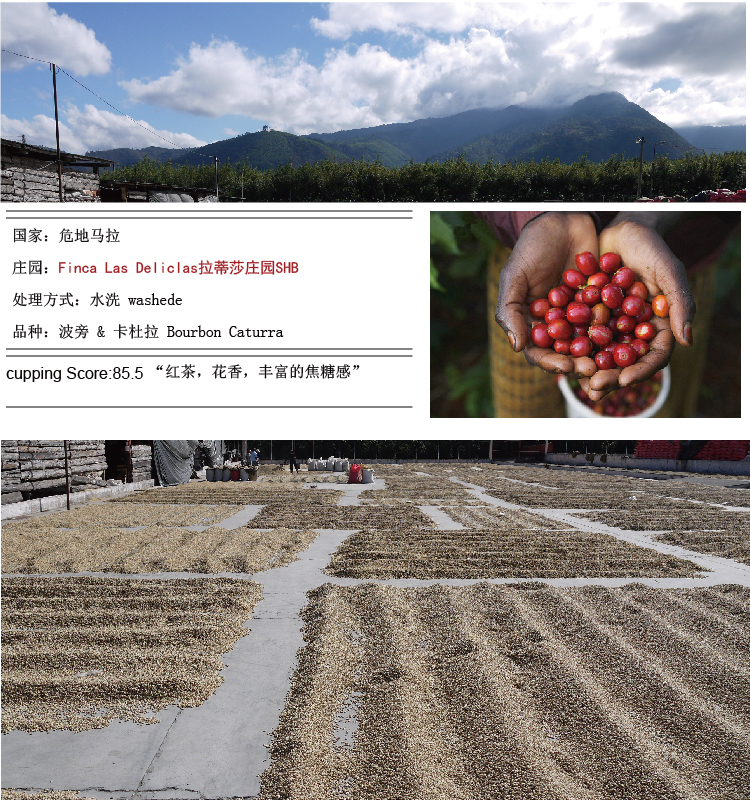
Please introduce the raw bean treatment method of coffee washing, semi-washing, sun drying and honey treatment.
The first is dry treatment (secado), also known as natural all-day exposure (natural). After the coffee fruit is actually picked, it is dried directly in the sun. According to the weather conditions, it is generally necessary to dry the coffee beans for 2 weeks to reduce the water content of the coffee beans to 10%, 12%, and then use a machine to remove the dried peel and pulp. The raw bean processing plant (beneficio) usually keeps the outside of the coffee beans when the raw beans are stored.
Coffee treatment method wet planing method is water washing treatment? What is the specific procedure of wet planing?
Professional Coffee knowledge Exchange more information on coffee beans Please follow the coffee workshop (Wechat official account cafe_style) introduction to coffee in front of the street Coffee treatment in the traditional washing method, fresh coffee cherries remove their pulp (Pulped) and leave it in a concrete pool to ferment overnight, acidizing and pectin decomposition. Next, raw beans with parchment are covered by the sun